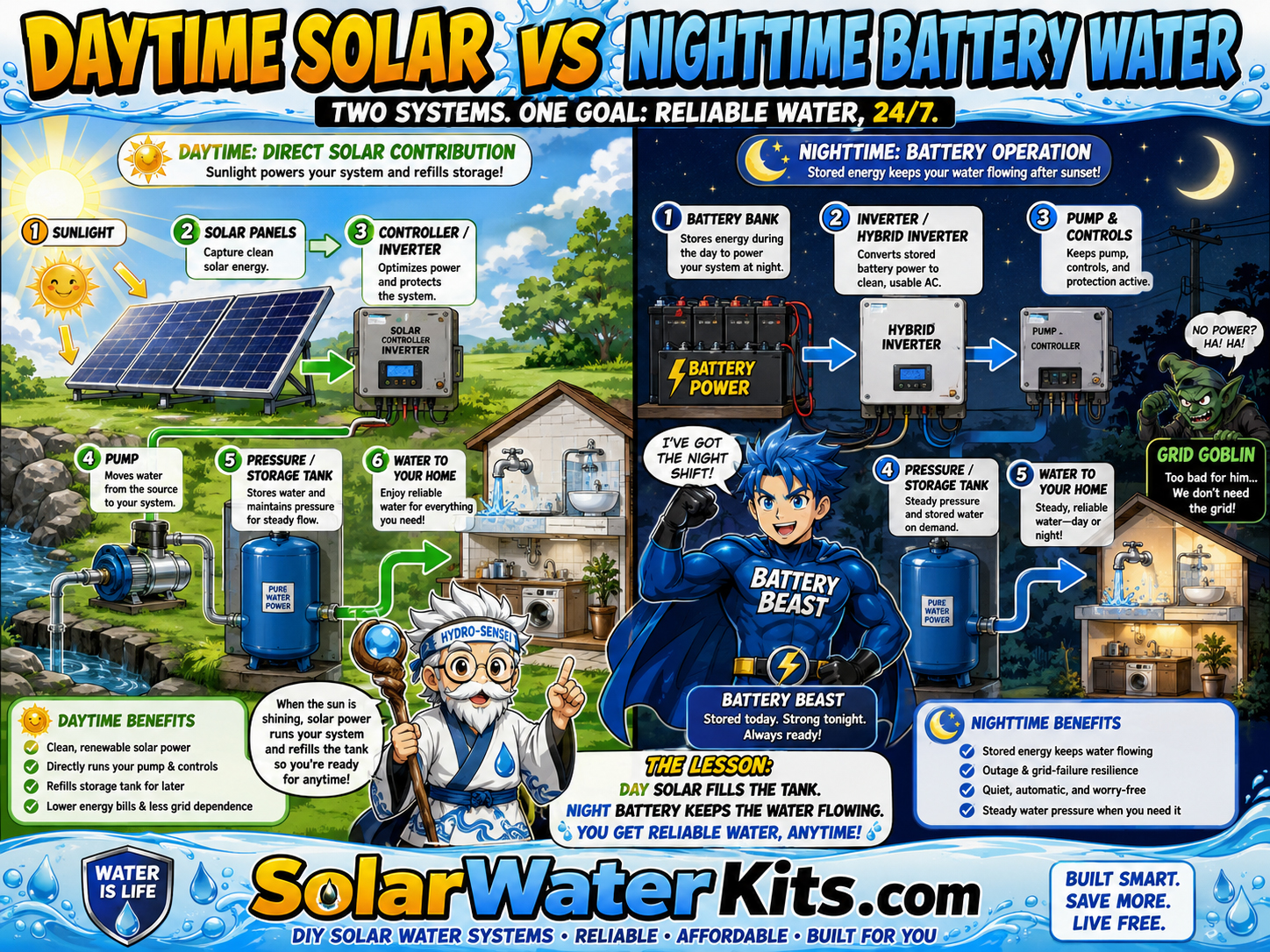
Daytime
Use solar when available
Pool pumping can often be shifted toward daytime solar production instead of evening grid draw.
Pool pumps are water movers with a schedule problem. Hydro-Sensei teaches how pump load, filtration time, daytime solar production, timers, controls, and backup priorities all fit together.
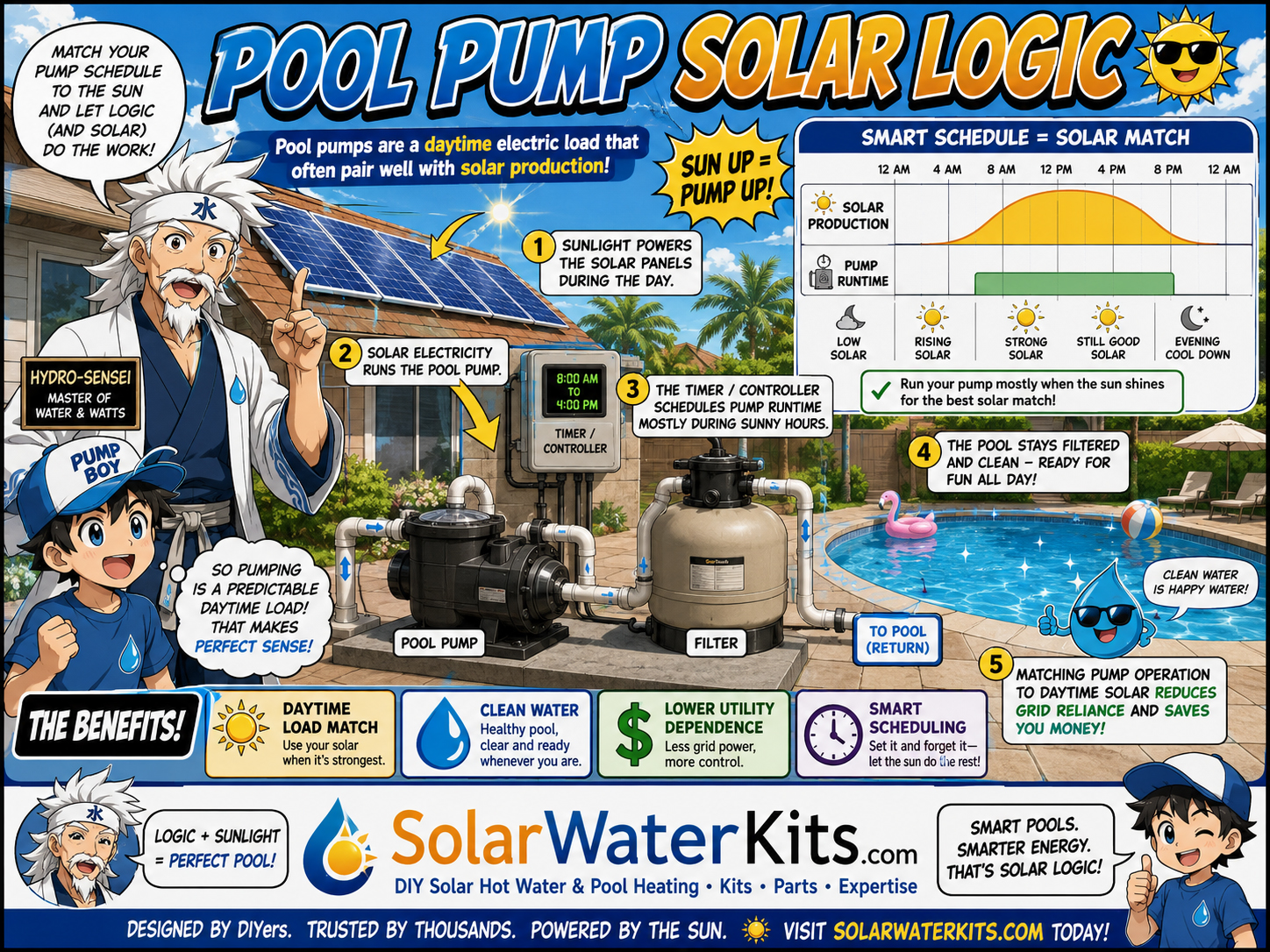
Unlike a surprise shower or emergency well demand, pool pump runtime can often be scheduled. That makes it a good teaching example for matching solar production to water-moving equipment.
The pump does not have to fight peak rates if the schedule is smart.
Pump horsepower, voltage, variable-speed settings, and actual watt draw determine the electrical load.
Runtime depends on pool size, pump flow, turnover goals, chemistry, debris, weather, and equipment needs.
Midday runtime can better match solar production and reduce grid draw when designed and scheduled properly.
Variable-speed pumps can often move water more efficiently at lower speeds for longer periods.
Heaters, chlorinators, cleaners, lights, automation, and valves may change electrical and water-flow needs.
Pump Boy wants to run the pump all night “because bubbles are cool.” Hydro-Sensei points to the solar curve and says: schedule the boring stuff when the sun is working.
Pool pumping can often be shifted toward daytime solar production instead of evening grid draw.
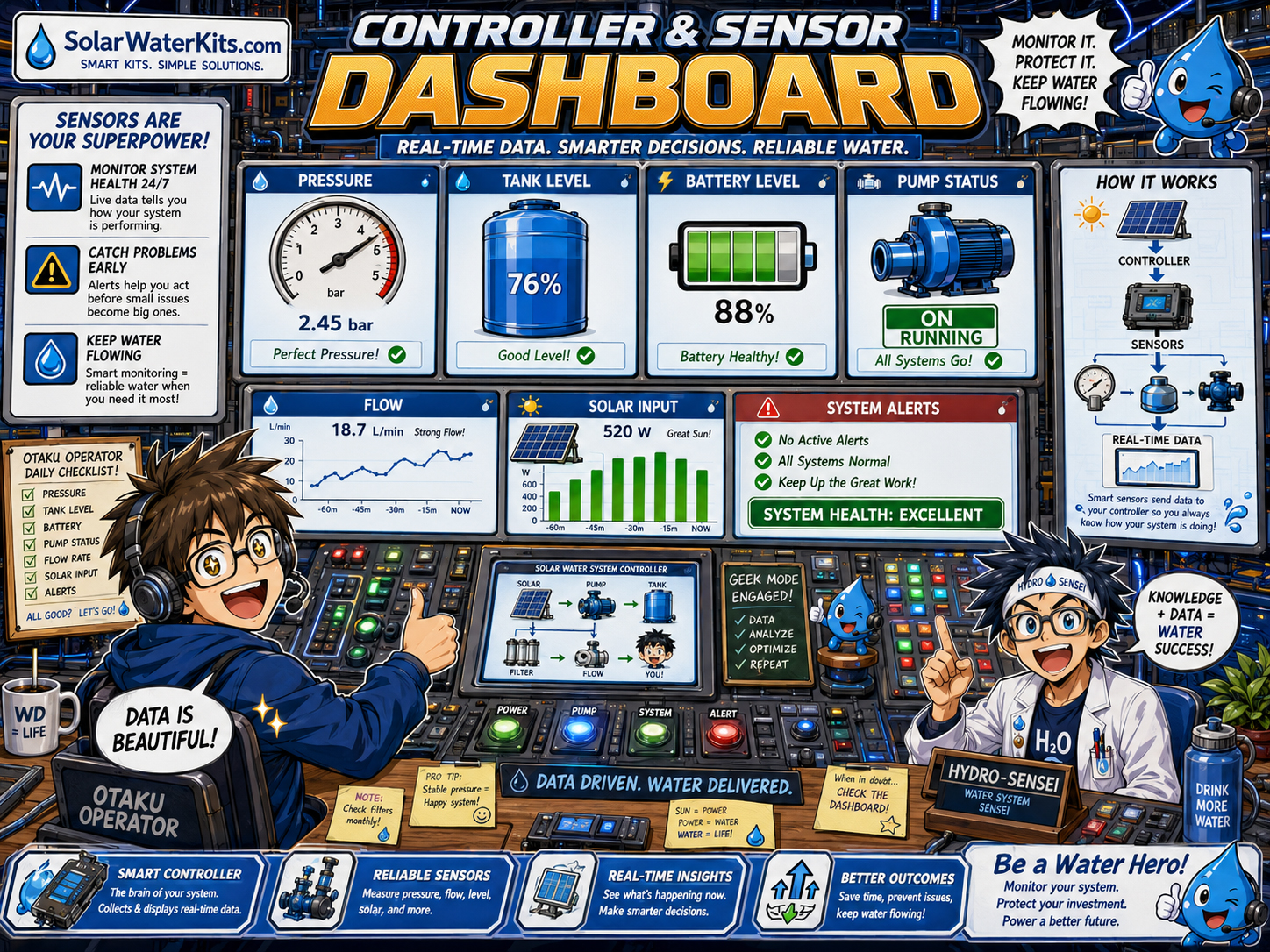
Automation, variable-speed schedules, and load control can make pump runtime more intelligent.
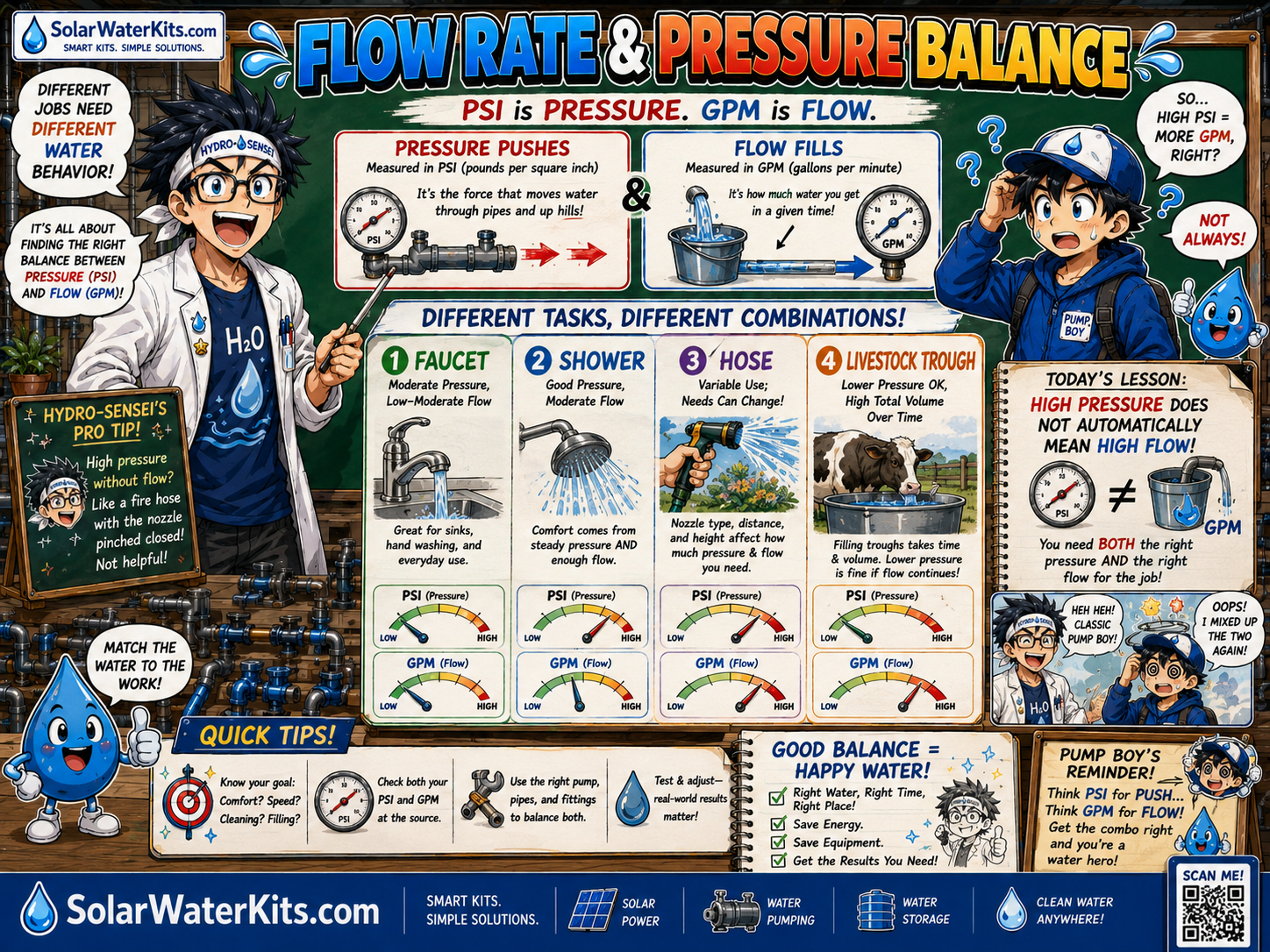
Filtration, cleaners, heaters, chlorinators, and water features may need different flow behavior.
| Pool Equipment | What It Needs | SolarWaterKits Lesson |
|---|---|---|
| Single-Speed Pump | Large fixed load when running | Runtime scheduling matters because the load cannot easily modulate. |
| Variable-Speed Pump | Programmable speed and flow | Lower speed for longer periods can often reduce energy use. |
| Pool Cleaner | Flow and pressure conditions | Cleaner needs may define certain higher-flow periods. |
| Heater / Heat Pump | Flow, controls, and often significant energy | Heating loads are different from filtration loads; do not lump them together blindly. |
| Salt Chlorinator | Flow through the cell and runtime | Chemistry and pump schedule must cooperate. |
| Automation | Correct programming and service access | Smart controls are only smart when someone understands them. |
In many utility territories, late-afternoon and evening power can be more expensive than midday power. A pool pump schedule that ignores rates, solar production, and equipment needs can waste money.
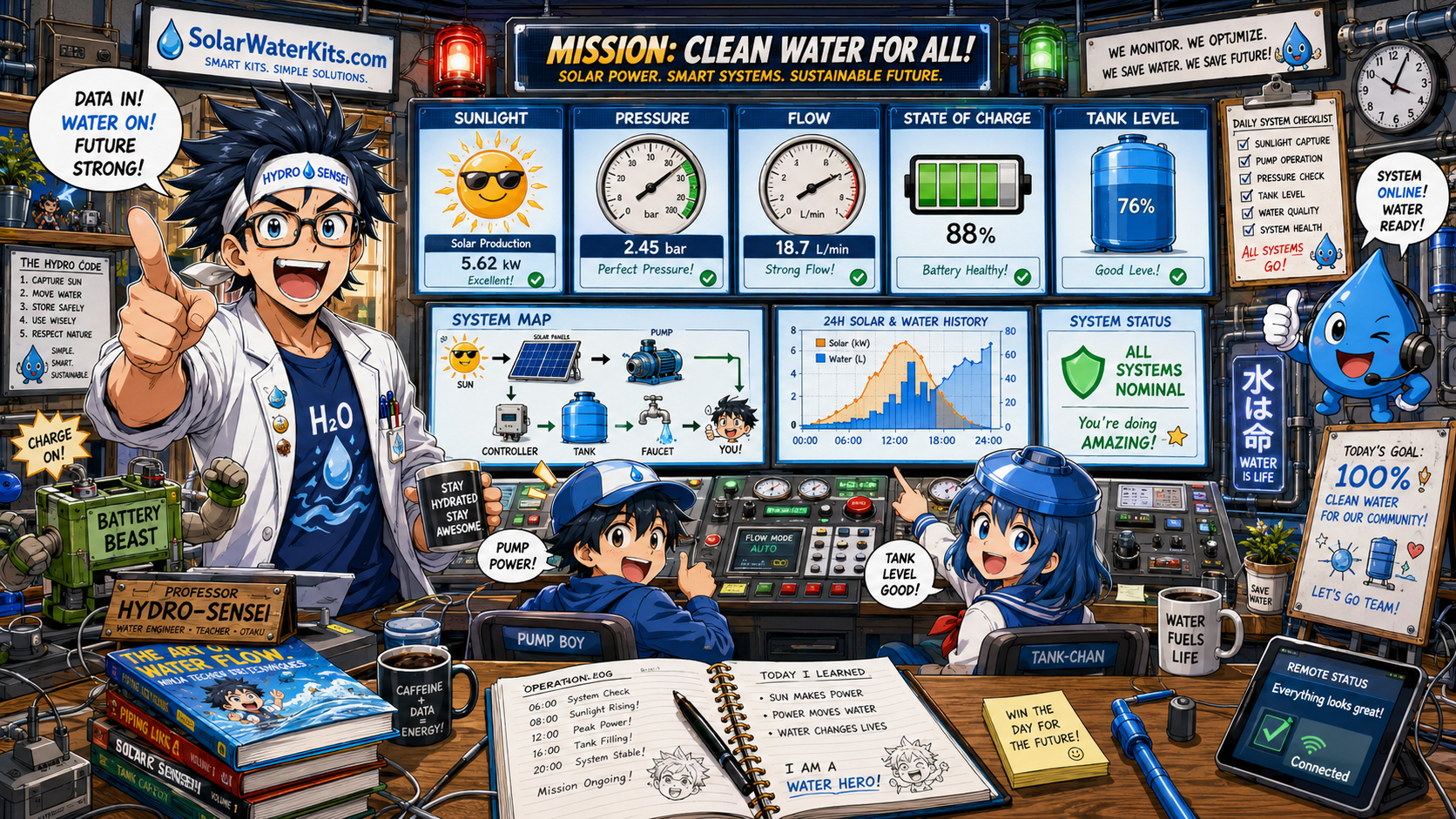
Timing, sensors, and scheduling are part of the kit.
Usually, emergency battery priority should go to essential loads first. A pool pump can matter for maintenance, but it is usually not as urgent as drinking water, well pumps, medical loads, refrigeration, communications, or basic lighting.
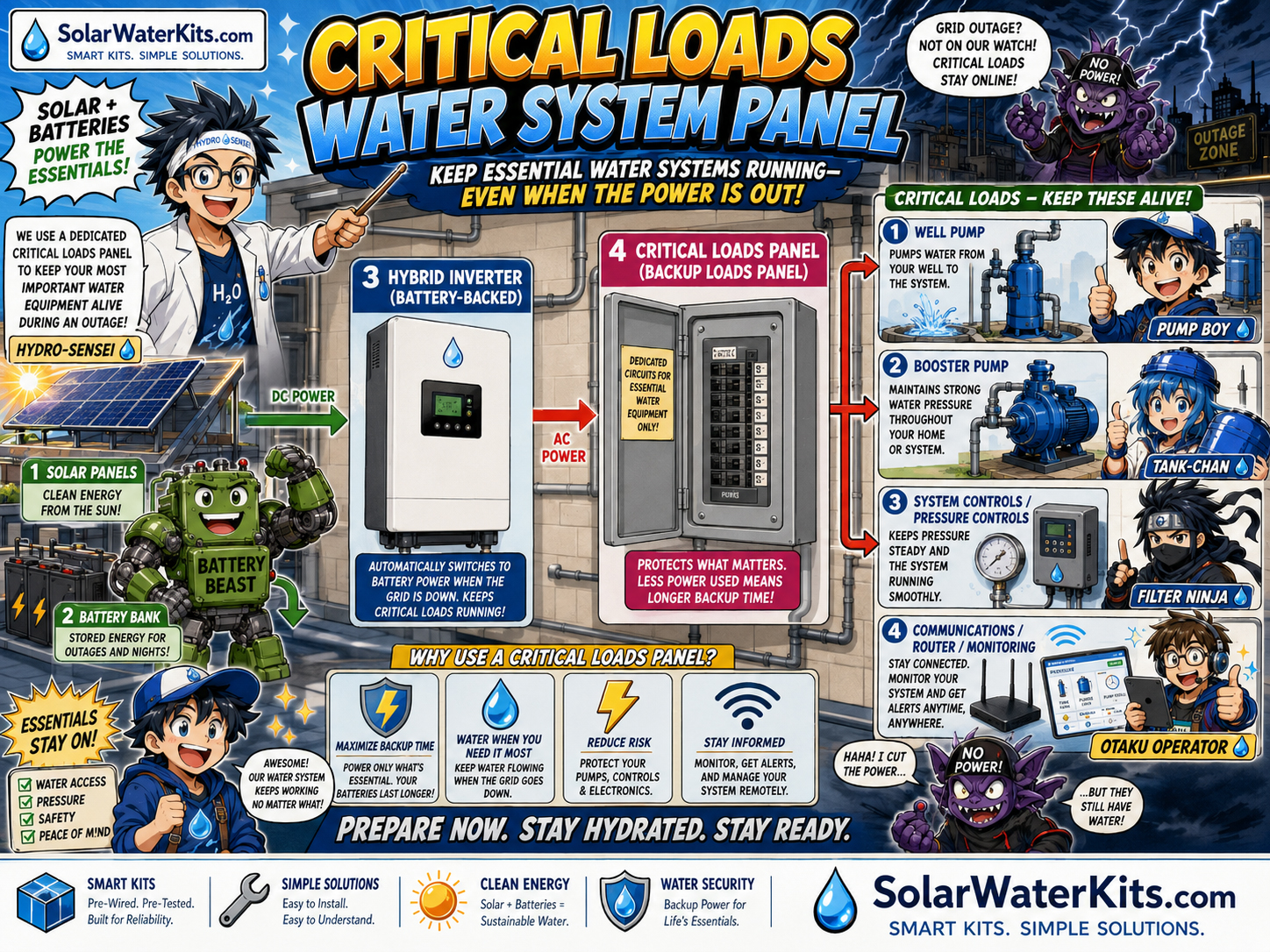
Back up essentials first. Then consider comfort and maintenance loads.
A battery can support a pool pump, but that does not mean it should be the first backup load. Backup design should start with health, water, refrigeration, communication, and safety.
Pumps, filters, valves, chlorinators, heaters, automation, drains, and electrical equipment all work together. Labeling and service access matter.
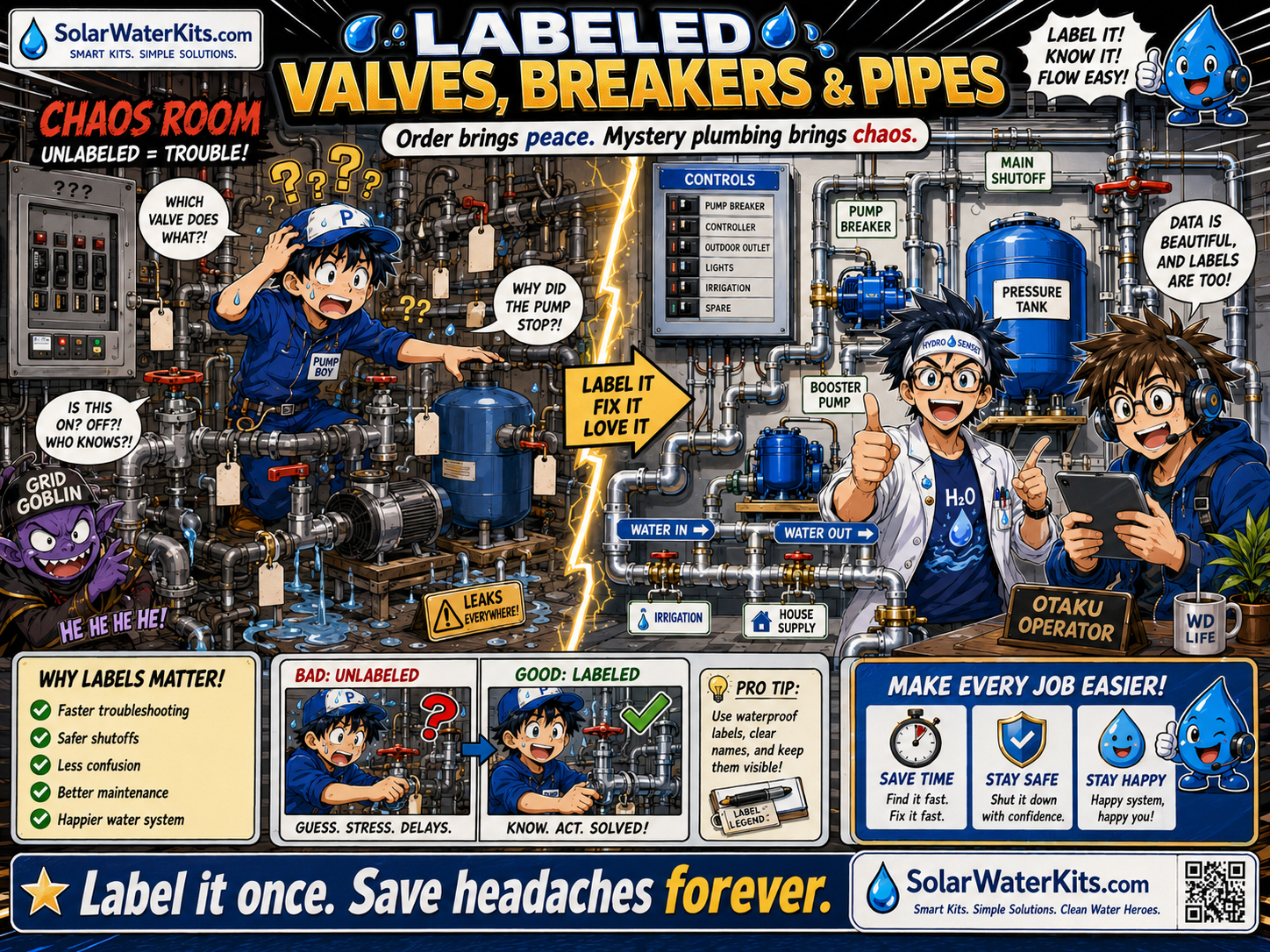
Pool pads become mystery mazes. Labels help homeowners and service technicians avoid mistakes.
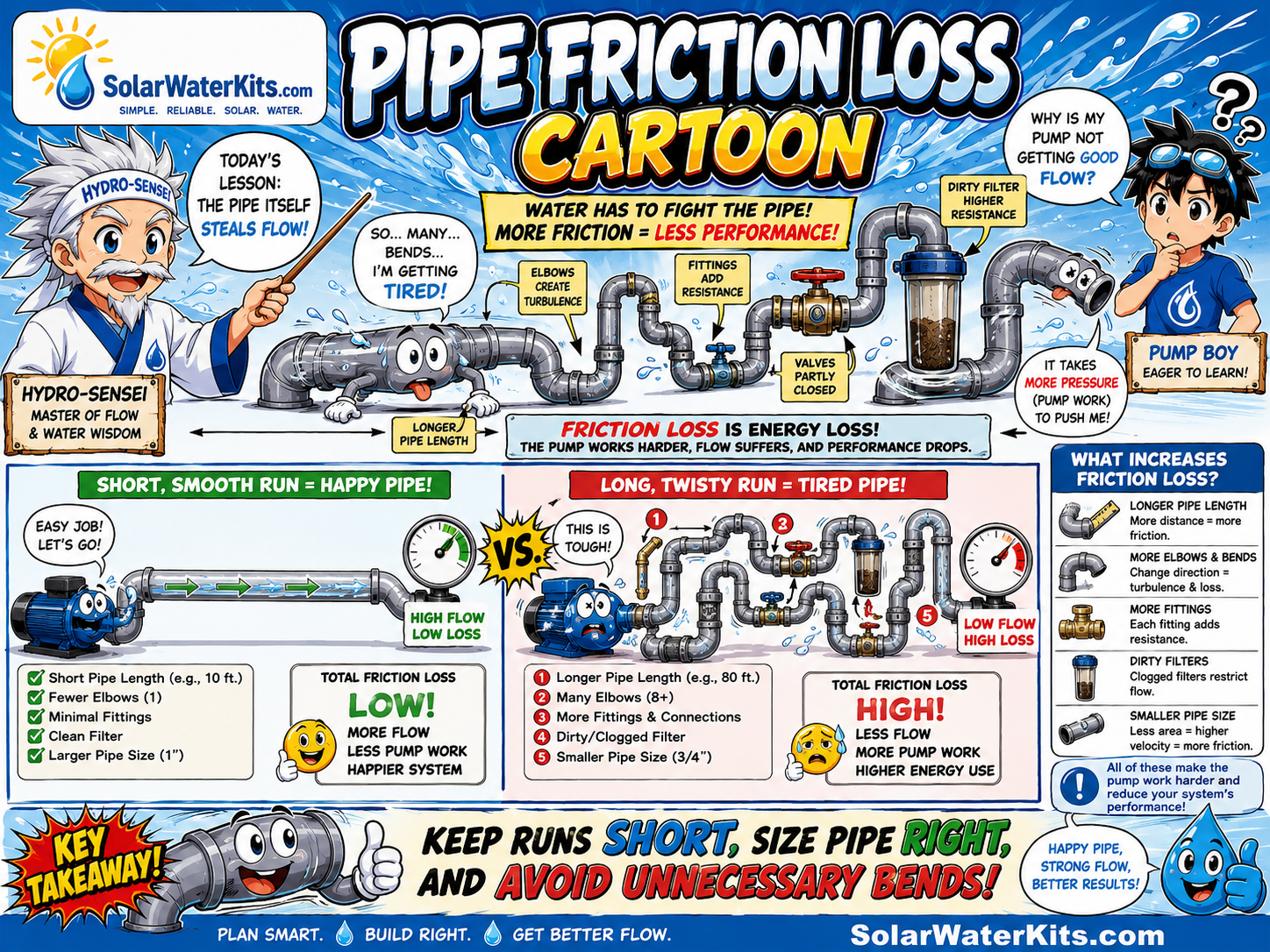
Dirty filters, small pipe, valves, and equipment restrictions can increase pump effort.
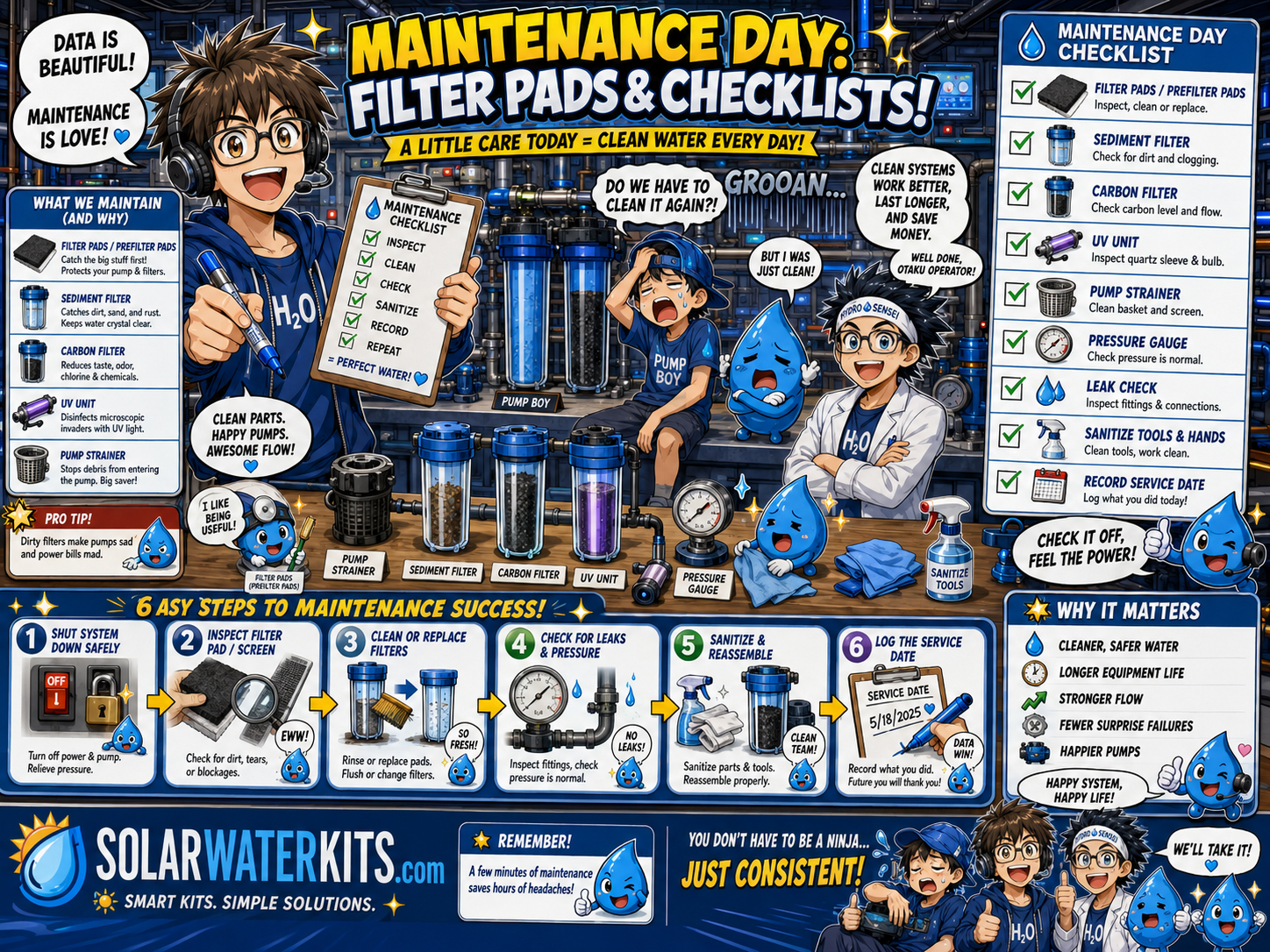
Filter cleaning, basket cleaning, leak checks, and schedule review are part of energy efficiency.

Pools, irrigation, pumps, and water loads all need timing discipline.
Water systems love balance. Too little runtime can hurt water quality. Too much runtime wastes energy. Too much speed can waste even more. The right answer depends on the pool, the pump, the filter, the chemistry, and the schedule.
Pool pump systems involve wet locations, bonding, grounding, GFCI protection, electrical panels, pumps, timers, automation, plumbing pressure, suction safety, filters, heaters, chemicals, and local code. This page is educational only and is not an installation manual.
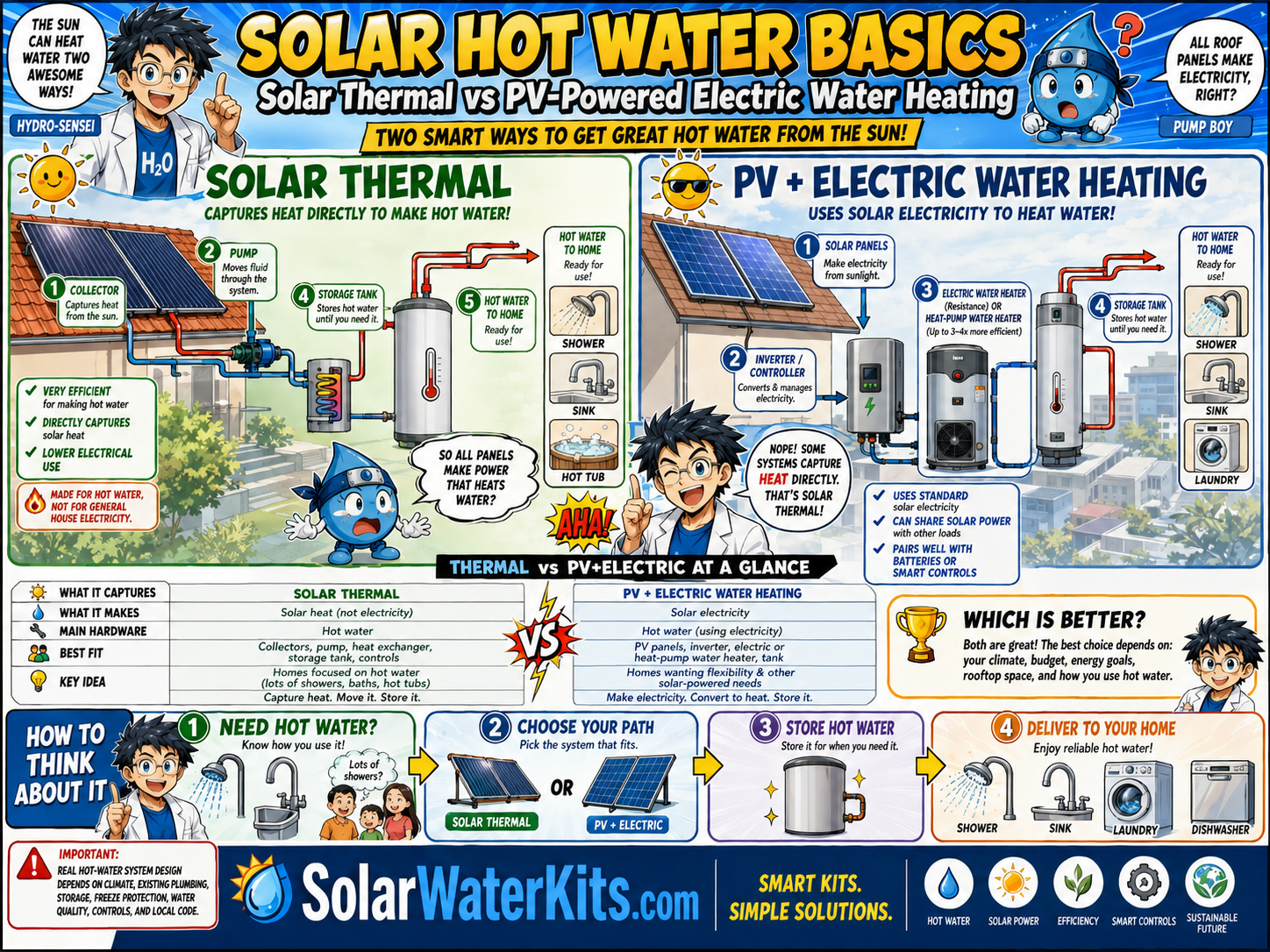
Thermal collectors, PV electric, heat pumps, storage tanks, and temperature safety.
Hot water basics →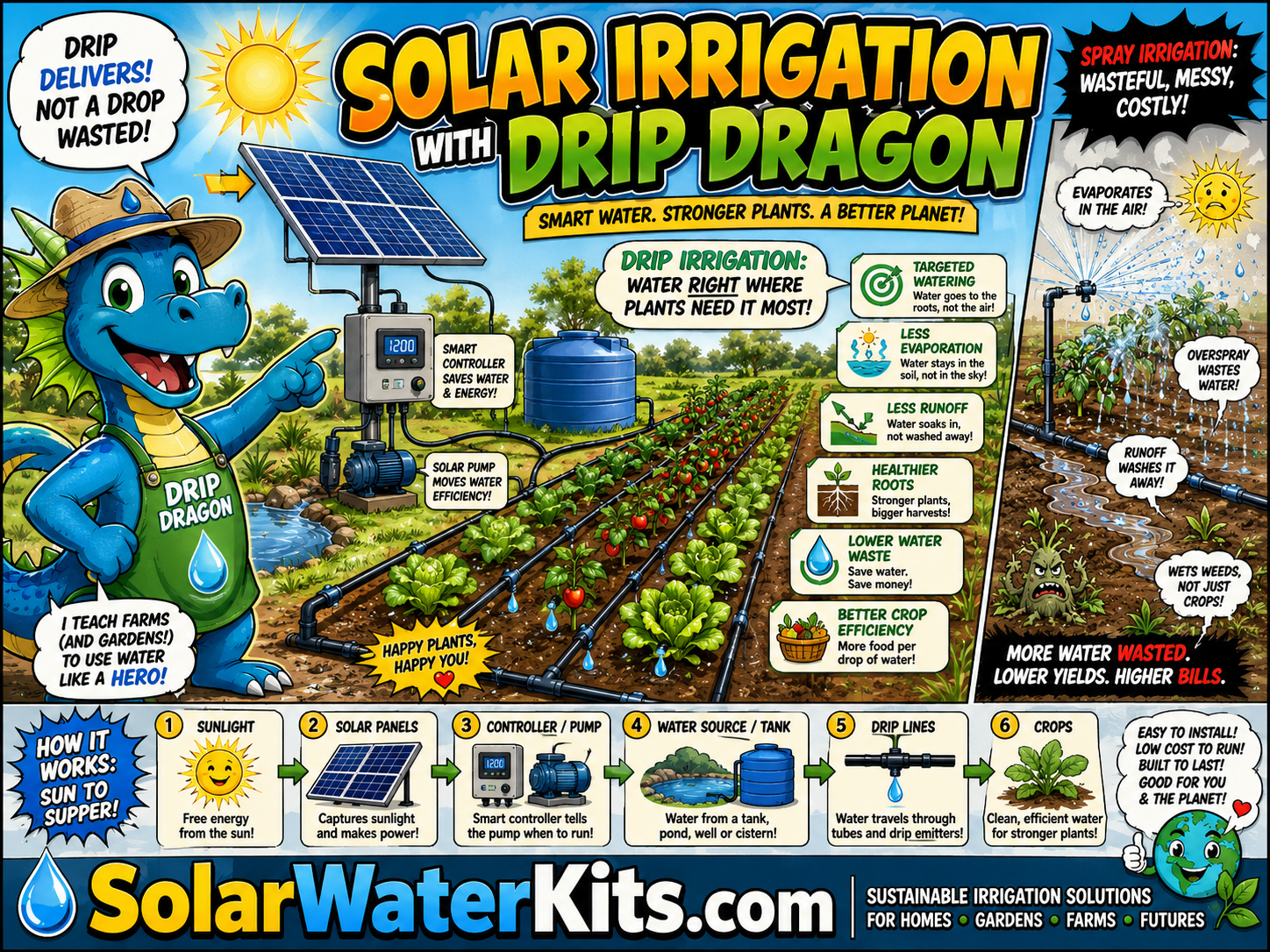
Zones, valves, timers, drip lines, and smarter water delivery.
Irrigation basics →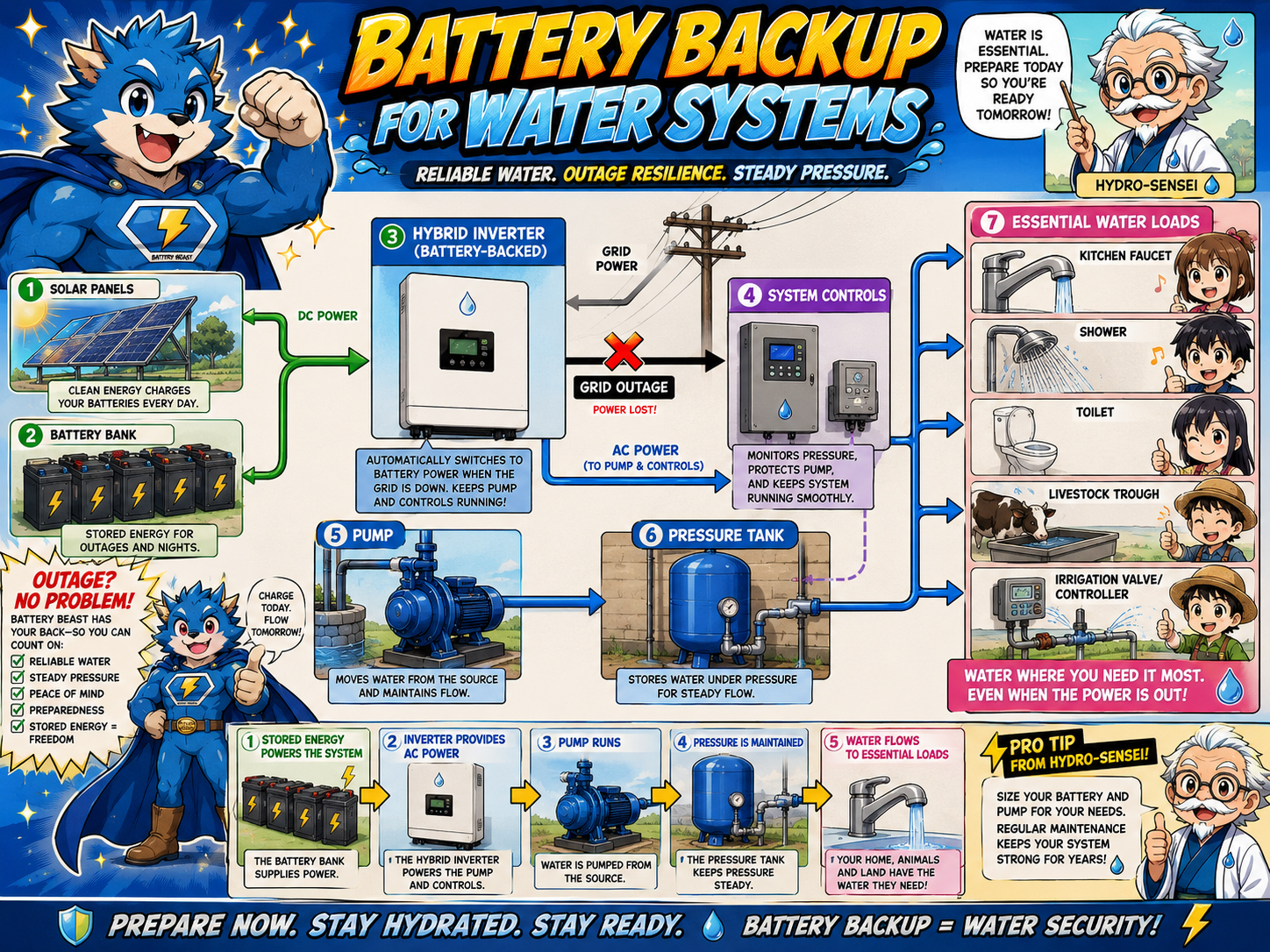
Learn what should and should not be backed up during outages.
Battery backup →